

Nikon D600 Vs Nikon D750: Which Is Better?
Frame rates for slow-motion recordings may range from 60 frames per second (fps) to 960 frames per second (fps), depending on the camera's capabilities. Due to the fact that phase-detection autofocus is substantially quicker than contrast detection autofocus, clearer photographs may be captured. With a better resolution, an electronic viewfinder produces a crisper picture, providing a view that is equivalent in quality to the one presented on an optical viewfinder.
A quicker maximum shutter speed helps you to capture images of fast-moving subjects without the images becoming blurry. Sensor shift is the movement of the image sensor in order to compensate any vibrations caused by the camera. This implies that the picture will be stabilized independent Nikon D600 vs Nikon D750 of the lens that is being used to capture it. The following is a side-by-side comparison of the Nikon D750 and Nikon D600's rear views. The front view size comparison of the Nikon D750 and Nikon D600 is shown in the image below.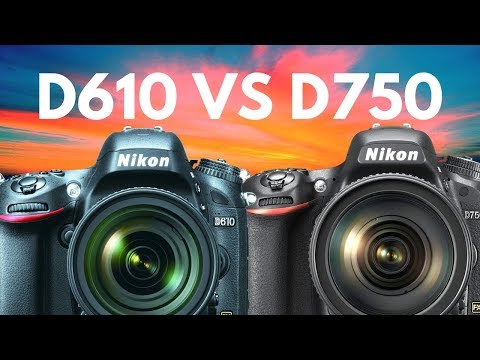
Physical Comparison of the Nikon D600 and Nikon D750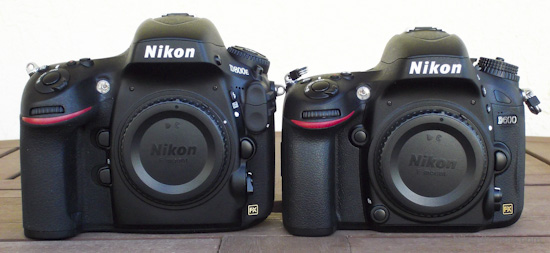
The following is a side-by-side comparison of the D600 and the D750's front-view dimensions. Those who wish to take their camera about with them on a regular basis should consider the weight and size of the camera. In this post, we will compare and contrast the Nikon D600 and Nikon D750, which are both advanced DSLR cameras manufactured by Nikon and both of which are reviewed here. There is a significant difference in the resolution of the sensors between the D600 and the D750, although they both have the same identical sensor specifications.
Nikon D600 vs Nikon D750: Which Is Better?
The Monster Adapter LA-KE1 allows Pentax users to utilize several of their K-mount lenses with complete autofocus on Sony E-mount mirrorless cameras, allowing them to expand their lens lineup. If you want to take casual photographs in either bright light or low light, none of these cameras will be the best choice. The Nikon D600, on the other hand, is a better option if you are a professional photographer who requires high quality images with a narrow depth of focus. In addition, it boasts a greater selection of lenses than the Nikon D750, making it a more versatile camera. The D600 and D750 score 56 and 57, respectively, in terms of portability when measured in terms of their size and weight. Here is a sneak peek at some of the gallery photographs taken using the Nikon D600 and Nikon D750 cameras.
A larger megapixel count indicates that the camera is capable of recording greater amounts of information. The megapixel count, on the other hand, is not the only factor that influences the overall quality of a photograph. Most current cameras are capable of shooting video in some form or another, but these are the models we'd recommend if you want to capture video in addition to your photographs. We picked cameras that are capable of taking excellent images and making it simple to capture professional-quality video, rather than devices that would be suitable for a dedicated filmmaker. A decent landscape camera should have a high resolution and a broad dynamic range; it should also be weather-sealed to be effective in all weather conditions.
Another consideration is weight, which is particularly significant when choosing a camera that you will be carrying about with you all day. The Nikon D750 weighs 10g less than the Nikon D600, however we don't believe this will make a major impact in terms of performance. The top view comparison of the Nikon D750 and Nikon D600 is now available for your viewing pleasure. Before we get into our more in-depth comparison of the Nikon D750 vs Nikon D600, let's take a quick glance at the primary characteristics of each camera. In addition, the D750 sports a tilting LCD screen that can be adjusted in both height and angle, as well as a somewhat smaller 3.2-inch 921k dot screen. Even the included flash is inadequate, and will only be helpful in the most difficult lighting circumstances.

“SENIOR”
Valdobbiadene Prosecco Superiore D.O.C.G. Extra Dry Millesimato
The Senior is the Valdobbiadene Prosecco Superiore Docg par excellence. Its Latin name is as clear to everyone around the world as the name Prosecco. For some and for a long time the sparkling Prosecco couldn’t be anything more than extra dry for its natural sweetness and sugar residue. Now that Bortolomiol have four versions of Valdobbiadene Prosecco Superiore Docg in their traditional line, The number “II” on the bottle signifies that this is the second on the scale between the driest and softest. It’s called Senior because it was the first.
Its finely balanced sugar residue and embracing fragrances give this wine softness and great adaptability. This is a wine for all occasions, from a drink at the bar with friends to an aperitif. But it is in the kitchen that it really shines. Perfect with vegetable soups and fried sheep’s brain, where on the one hand the sugar residue matches the sweetness of the dish and on the other the freshness and well-controlled mousse balances the fatty flavours. Tasting & text by Michele Bressan
| TECHNICAL INFORMATION | |
| AREA OF ORIGIN | The Valdobbiadene hills |
| VARIETAL | Glera (formally known as Prosecco) |
| TRAINING SYSTEM | Autochthonous called “capuccina modificata” |
| HARVEST PERIOD | From 15 september to 30 september |
| YIELD IN KG OF GRAPES PER HA. | 13.000 kg |
| WINEMAKING | Off skins by gentle pressing |
| PRIMARY FERMENTATION | Controlled temperature with selected yeasts |
| FOAMING | 25 - 30 days |
| FINING | From 1 to 3 months |
| ANALYTICAL FEATURES | |
| ALCOHOL | 11,5 % Vol. |
| SUGAR RESIDUE | 15,00 g/l |
| TOTAL ACIDITY | 6,00 g/l |
| ORGANOLEPTIC FEATURES | |
| COLOUR | Pale yellow with greenish hue |
| PERLAGE | Fine and persistent |
| TASTE | Fresh, typical, well-balanced and velvety |
| SERVING TEMPERATURE | 6 - 8 °C |
| SPARKLING WINEMAKING METHOD | Martinotti - Charmat |
AWARDS:
“Medaglia d’Argento” Vinitaly 2003
“Commended” International Wine Challenge 2007, 2009, 2015
“Medaglia d’Argento” Prosecco Master Award 2015 e 2016
“Medaglia d’Argento” International Wine Challenge 2010
“Medaglia di Bronzo” International Wine Challenge 2012, 2013
“Medaglia d’Argento” Mundus Vini 2009, 2011
“Commended” Decanter World Wine Awards 2012
“Premio Corona” Guida Vini Buoni d’Italia 2011

“AUDAX ZERO.3”
Valdobbiadene Prosecco Superiore D.O.C.G. Extra Brut Millesimato
Audax Zero.3 completes the Traditional collection: with its bold character and a sugar level very close to zero, it fully reflects today’s consumer trends and at the same time the vision and pioneering spirit of Giuliano Bortolomiol, who in the 1960s was the first to produce a brut version of the Valdobbiadene prosecco (today the Valdobbiadene Prosecco Superiore DOCG). This sparkling wine encapsulates the entire sparkling wine experience of the Bortolomiol winery. The Traditional collection encompasses the most classical expressions of the Prosecco Superiore, available in all the different versions: extra brut, brut, extra dry, dry and demi sec.
The extra brut version of the Valdobbiadene Prosecco Superiore DOCG is the natural expression of the Glera grape variety, conserving its delicate and aromatic bouquet. This sparkling wine with a sugar level very close to zero cleanses the palate perfectly and is an excellent wine for pairing with fish courses. Ideal for aperitifs, it also pairs very well with first courses and mixed fried fish.
| TECHNICAL INFORMATION | |
| AREA OF ORIGIN | The Valdobbiadene hills |
| VARIETAL | Glera (formally known as Prosecco) |
| TRAINING SYSTEM | Autocthnous called “capuccina modificata” |
| HARVEST PERIOD | From 15 september to 30 september, by hand |
| YIELD IN KG OF GRAPES PER HA. | 13.500 kg |
| WINEMAKING | Off skins by gentle pressing |
| PRIMARY FERMENTATION | Controlled temperature with selected yeasts |
| FOAMING | 2 months |
| FINING | From 1 to 3 months |
| ANALYTICAL FEATURES | |
| ALCOHOL | 12 % Vol. |
| SUGAR RESIDUE | 3,00 g/l |
| TOTAL ACIDITY | 5,80 g/l |
| ORGANOLEPTIC FEATURES | |
| COLOUR | Pale yellow with green reflections |
| PERLAGE | Fine, continuous and persistant |
| BOUQUET | Delicate, slightly floral and harmonious |
| TASTE | Dry but velvety, fruity and round |
| SERVING TEMPERATURE | 6 - 8 °C |
| SPARKLING WINEMAKING METHOD | Martinotti - Charmat |

“MAIOR”
Valdobbiadene Prosecco Superiore D.O.C.G. Dry Millesimato
The number three from the traditional Docg line which has garnered much approval, success and many awards so it has every right to the name Maior, the best by definition. It stands out for the roundness of its taste, for its softness and a pleasing level of sweetness which places it towards the sweeter end of the Prosecco Superiore spectrum.
Its aromatic spectrum goes from the delicate, sweet sensations of white flowers to notes of mature exotic fruits. In the mouth it is dense and concentrated, almost sumptuous. This wine should be drunk after meals with not overly sweet cakes but can also be drunk with savoury dishes. It’s perfect with hot Asian sweet & sour dishes as it well matches their spiciness and their sweetness. For the same reason it goes well with traditional Venetian dishes such as Sarde in Saor made with pine nuts and raisins. Tasting & text by Michele Bressan
| TECHNICAL INFORMATION | |
| AREA OF ORIGIN | The Valdobbiadene hills |
| VARIETAL | Glera (formally known as Prosecco) |
| TRAINING SYSTEM | Autochthonous called “capuccina modificata” |
| HARVEST PERIOD | From 15 september to 30 september |
| YIELD IN KG OF GRAPES PER HA. | 13.000 kg |
| WINEMAKING | Off skins by gentle pressing |
| PRIMARY FERMENTATION | Controlled temperature with selected yeasts |
| FOAMING | 25 - 30 days |
| FINING | From 1 to 3 months |
| ANALYTICAL FEATURES | |
| ALCOHOL | 11,5 % Vol. |
| SUGAR RESIDUE | 15,00 g/l |
| TOTAL ACIDITY | 6,00 g/l |
| ORGANOLEPTIC FEATURES | |
| COLOUR | Pale yellow |
| PERLAGE | Fine and persistent |
| BOUQUET | Fruity, elegant, aromatic |
| TASTE | Fresh, slightly sweet, well-balanced |
| SERVING TEMPERATURE | 6 - 8 °C |
| SPARKLING WINEMAKING METHOD | Martinotti - Charmat |
Awards:
“Medaglia d’Oro” Vinitaly 2010
“Medaglia di Bronzo” Vinitaly 2003
“Gran Menzione” Vinitaly 2004, 2005, 2008 e 2009
“Medaglia d’Oro” “La Selezione del Sindaco” Rassegna Internazionale 2009
“Diploma di Merito” Grandi Spumanti 2008
“Dama d’Oro e Premio Speciale Tullio De Rosa” Enoconegliano 2014

| Soave D.O.C. Sa kontroliranim porijeklom... |
| Proizvedeno od: | grožđa Garganega i Trebbiano. Zona proizvodnje Verona i okolina, Italia. |
| Boja: | slamasto svijetlo žuta. |
| Miris: | fini i voćni. |
| Okus: | suhi i lagano gorak. |
| Uz jela: | optimalno uz riblja jela i jela sa bazom bijelog mesa. |
| Ukupna kiselost: | 5,50 gr/l. |
| Ostatak šećera: | 4 gr/l. |
| Temperatura posluživanja: | 10 - 12°C. |
| Stupanj alkohola: | 12% vol. |
| Tip boce: | Bordolese standard lagana. |
| Dimenzije boce: | visina 30,1 cm. Težina boce: 1,28 kg. |
| Dimenzije kartona: | širina 234 mm, dubina 156 mm, visina 302 mm. |
| Težina punog kartona: | 7,80 kg. |
| Dimenzije palete: | 80 cm x 120 cm. |

| SAUVIGNON D.O.C. - sa kontroliranim porijeklom, „HUMAR“, San Floriano del Collio – Italia. |
| Proizvedeno: | grožđe Sauvignon 100%. Ručno branje. Reza 9.000 kg/ha, 4.800 čokota/ha. |
| Zona proizvodnje: | San Floriano del Collio (Gorizia) Italija. Loza iz Gironde-bordoleze-Francuska. |
| Boja: | slamasta sa zelenkastim nijansama. |
| Miris: | karakterističan intenzivni miris. |
| Okus: | tipičan, prodoran koji podsječa na žuto cvijeće, sambuku, kadulju, mentu i papar koji se predstavlja u suhom i podatnom okusu. |
| Prati odlično: | vino za aperitiv, sadržajna i elaborirana predjela, posebno jela od morskih plodova, rakovice, juhe, polutvrde sireve, pršut... |
| Temperatura posluživanja: | 10-12°C. |
| Stupanj alkohola: | 14,5% vol. |

| SAUVIGNON D.O.C. - sa kontroliranim porijeklom, „VALVITIS“, Friuli Grave, Udine – Italia. |
| Proizvedeno: | samo od grožđa Souvignon 100%. |
| Zona proizvodnje: | Grave del Friuli, podrum Codroipo (Udine) Italija. |
| Boja: | slamasto svijetlo žuta. |
| Miris: | miris crnog ribizla sa osjetima kadulje i papra. |
| Okus: | suh i baršunast. |
| Prati odlično: | predjela od morskih plodova, pršut, juhe, jela od riže, jela od ribe... |
| Temperatura posluživanja: | 8- 10°C. |
| Stupanj alkohola: | 12% vol. |
| Broj boca u kartonu: | 6 |
| Broj redova: | 5 |
| Broj kartona u redu: | 25 |
| Broj kartona po paleti: | 125 |
| Težina palete: | 880 kg |
| Pakiranje na raspolaganju: | 0,75 l |

| NEGROAMARO DEL SALENTO „ROCA EGEA“, I.G.P. BARIQUE - zaštićena geografska zona. |
| Proizvedeno: | samo od grožđa Negroamaro 100%. |
| Zona proizvodnje: | Salento između Brindisi i Lecce, Puglia – jug Italije. Jonsko i Jadransko more. |
| Boja: | rubin crvena sa ljubičastim odsjajima. |
| Miris: | plodova ribizle, crnog duda, kupina, trešanja i balzamični mirisi mediterana. |
| Okus: | vino suho i sa dugotrajnim okusom. |
| Idealno uz: | zahvaljujuči strukturi svojih tanina, ne previše napadnim, raspolaže sa dobrom raznovrsnošću slažući se |
| sa suhim mesom i sirevima srednje starosti, predjelima sa mesnom bazom bijelog i crvenog mesa i sa | |
| mesom sa roštilja. Posebno ga treba probati uz rezance sa ružmarinom i bijelim sosom sa janjetinom i | |
| kremom od parmezana sa anisom uz krumpirov čips i crvenim paprom. | |
| Temperatura posluživanja: | 18-20°C. |
| Stupanj alkohola: | 13% vol. |
| Ostatak šećera: | 8,81 gr/l. |
| Kiselost: | 6,76 gr/l. |
.

| PRIMITIVO ROSSO DEL SALENTO „ROCA EGEA“. I.G.P. BARIQUE - zaštićena geografska zona. |
| Proizvedeno: | samo od grožđa Primitivo 100%. |
| Grožđe „primitivo“: | je grožđe porijeklom iz Dalmacije. „Plavac mali crni“ ili „crljenak kaštelanski“ ili u Americi poznatiji pod nazivom „ZINFANDEL“ su i u Italiju |
| (kao i u USA) donijeli Hrvati (wikipedija). Zona proizvodnje: Salento između Brindisi i Lecce, Puglia – jug Italije. Jonsko i Jadransko more. | |
| Boja: | rubin jako crvena. |
| Miris: | crvenih plodova kao što je jagoda, malina, kupina, čak i u obliku želatina. |
| Okus: | karakterističan po mekoći svojih tanina i trajnosti okusa i mirisa. |
| Idealno uz: | starije sireve, tjesteninu s mesom, bijela mesa, divljač... |
| Temp.posluživanja: | 18-20°C. |
| Stupanj alkohola: | 13% vol. |
| Ostatak šećera: | 6,63 gr/l. |
| Kiselost: | 6,60 gr/l. |

Suspendisse molestie tortor sed sapien tristique, et dapibus nisi tincidunt. Integer eu porttitor orci. Cras eget magna ac sapien viverra fringilla ut sit amet lectus. Integer ac orci nec justo fringilla faucibus. Mauris dictum aliquet ante quis fermentum. Curabitur sed scelerisque quam, sed vestibulum ipsum. Suspendisse porttitor massa sapien, nec suscipit purus egestas ut. Etiam scelerisque luctus imperdiet.

Suspendisse molestie tortor sed sapien tristique, et dapibus nisi tincidunt. Integer eu porttitor orci. Cras eget magna ac sapien viverra fringilla ut sit amet lectus. Integer ac orci nec justo fringilla faucibus. Mauris dictum aliquet ante quis fermentum. Curabitur sed scelerisque quam, sed vestibulum ipsum. Suspendisse porttitor massa sapien, nec suscipit purus egestas ut. Etiam scelerisque luctus imperdiet.
